Martindale test, EN 1021 and Easy Clean coatings — a practical guide to specifying durable furniture for hotels, restaurants and cafes in 2026.
Furniture durability in HoReCa is measured in numbers, not impressions. The three parameters that matter are abrasion resistance in the Martindale test (the contract standard is 50,000–100,000 cycles), fire-resistance class under EN 1021, and Easy Clean coatings that let wine and coffee stains be wiped away. Specifying to these criteria extends the replacement cycle by years and lowers total cost of ownership.
Why HoReCa loads are different
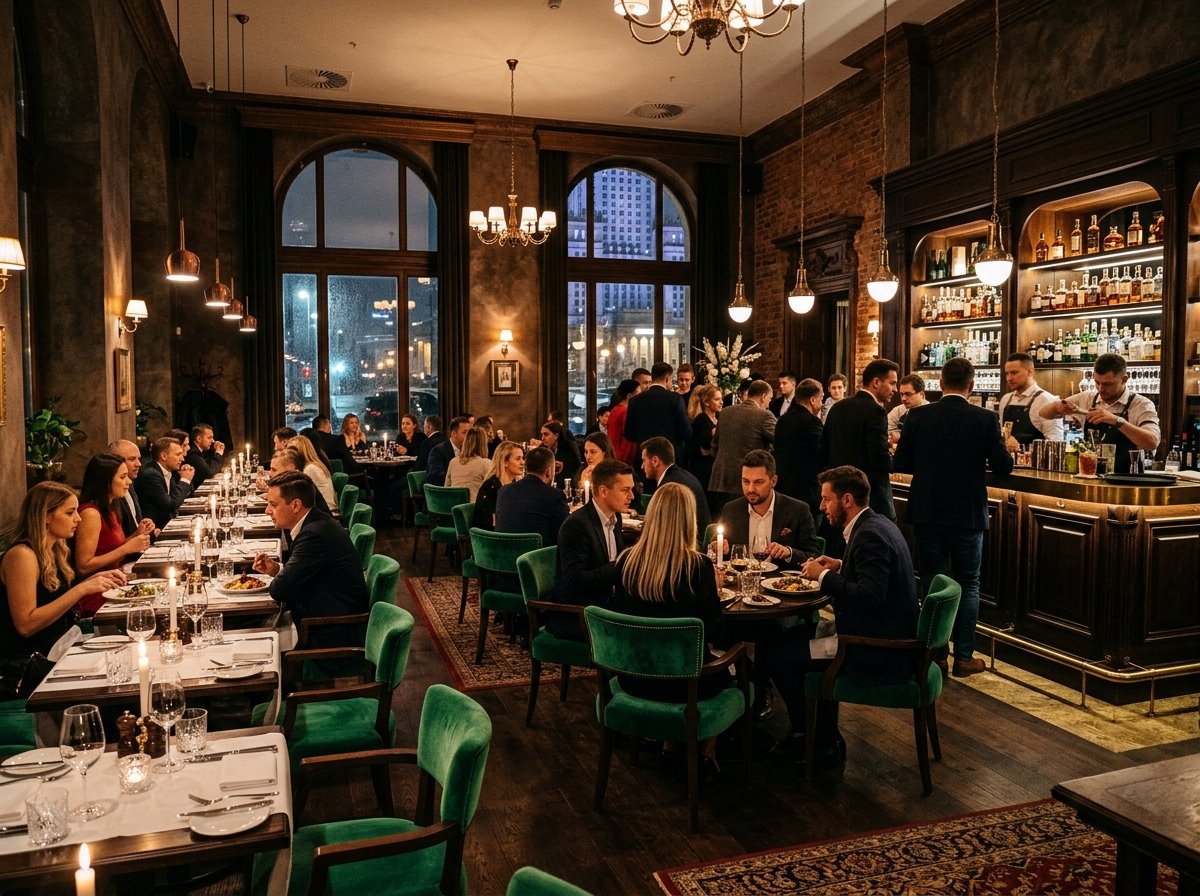
A restaurant chair goes through dozens of sit cycles a day, while its upholstery meets grease, alcohol and disinfectants. Demand for durable hotel solutions in Poland has grown alongside the tourism recovery, and investors increasingly calculate cost per year of use rather than purchase price. Within a single property, loads also vary by zone: a lobby works far harder than an occasional meeting room.
The Martindale test
Martindale measures abrasion resistance: a sample is rubbed until the fibres wear through, with the result given in cycles. Home use needs 15,000–25,000, but HoReCa starts at 50,000, and high-traffic zones such as lobbies and hotel restaurants call for 100,000 or more. From our commercial experience, a 100,000-cycle fabric keeps its look two to three times longer than a consumer textile. Alongside abrasion, check lightfastness and pilling resistance.
EN 1021 fire resistance
EN 1021 covers ignition of upholstery from a smouldering cigarette and from a match flame. In public-use venues, compliance is a condition of safety and acceptance. Contract fabrics are factory-classified for this standard, and the manufacturer should supply the relevant certificates before the order is placed, which also simplifies insurance and fire-risk assessment.
Easy Clean coatings
Hydrophobic nano-coatings keep wine, coffee and sauces on the surface instead of letting them soak into the fibre. The result is shorter cleaning time, less aggressive chemistry and longer colour life — often the deciding factor in whether furniture survives a season in good shape. Coatings still need a simple cleaning protocol to stay effective.
Materials and construction
Beyond fabric, the carcass and fittings decide longevity. We use moisture-resistant U2/E1 laminated boards and HPL worktops for heavy-use surfaces, plus contract-grade fittings rated for far more cycles than consumer versions. The whole specification must be coherent — the strongest fabric will not help if a hinge fails after a year. Dowel-and-screw frames outlast glued-only joints under dynamic load.
Consumer vs contract furniture
The table below shows why the seemingly cheaper consumer option costs more per year of operation.
| Parameter | Consumer furniture | HoReCa contract furniture |
|---|---|---|
| Martindale | 15,000–25,000 cycles | 50,000–100,000+ cycles |
| EN 1021 | usually no certificate | parts 1 and 2 certified |
| Easy Clean coating | optional | standard |
| Typical replacement cycle | 1–2 years | 5–7 years |
Case study: a boutique hotel
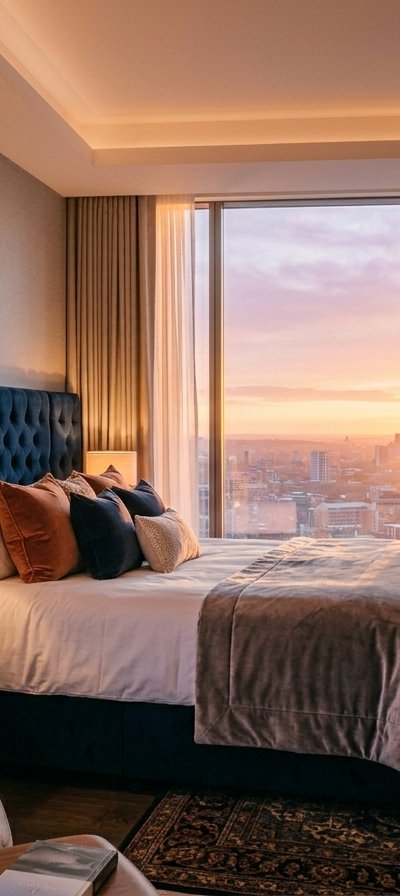
A boutique hotel investor with 38 rooms had been using consumer furniture that needed reupholstering every two years, causing room downtime. We specified 100,000-cycle fabrics with Easy Clean coating and EN 1021 certification, plus dowel-and-screw frames. Based on the investor's own replacement costs, extending the cycle from two to about six years materially lowered the annual upkeep cost despite a higher initial price, and reduced rooms taken out of service for refurbishment.
Acoustics and guest comfort
Durability is not the only criterion. Soft upholstered elements, tall headboards and panels dampen sound, which directly affects guest comfort and how they rate a venue. In restaurants, excessive reverberation lowers review scores as effectively as an uncomfortable chair.
Choosing heavier-weight fabrics and using damping foams lets you combine durability with acoustics. This matters especially in open catering spaces and lobbies, where hard surfaces reflect sound and worsen the guest experience.
How to calculate total cost of ownership
Purchase price is only the first component of cost. A full reckoning includes the cost of replacement or refurbishment over the life cycle, cleaning and chemistry, and the cost of downtime when a piece is out of use. On this basis, more expensive contract furniture often wins after just two or three years.
A simple way to compare is to divide price by the expected years of use. A higher-priced piece lasting six years instead of two gives a lower annual cost and fewer disruptions to the venue. This argument appeals to investors who calculate return, not just the opening budget.
What to avoid when buying
A few recurring mistakes shorten the life of HoReCa furniture and inflate its real cost. The list below shows what to watch for before placing an order.
- Choosing fabric without a stated Martindale result — the first warning sign.
- Skipping EN 1021 certification in public-use venues.
- Saving on foam density — the seat loses comfort within a single season.
- Glued-only frames in chairs for intense use.
- Light fabrics without an Easy Clean coating in catering zones.
- Counting only purchase price instead of total cost of ownership.
Textile or leather upholstery
The choice between fabric and leather or eco-leather depends on the zone and the venue's character. Contract fabrics give more colour freedom and better acoustics but need attention to stains. Leather and high-quality eco-leather are easier to clean and more resistant to liquids, but can feel cooler and are sensitive to scratches.
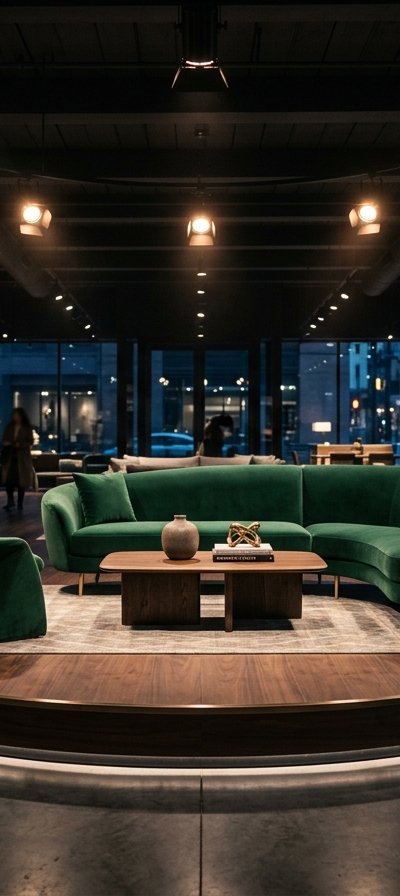
In practice a single venue combines both: eco-leather in the zones most exposed to dirt, such as a bar, and fabrics where comfort and quiet matter, such as a lobby lounge. The key is that each material meets contract standards — both Martindale for fabrics and abrasion and crack resistance for leather-like coatings.
Care that extends life
Even the best contract furniture needs a simple care protocol to reach its declared lifespan. Wiping up spills daily, regular vacuuming of upholstery and avoiding aggressive solvents genuinely extend the replacement cycle. Staff equipped with clear cleaning instructions make fewer surface-damaging mistakes.
It is worth preparing a short care card for each fabric and finish. From our experience with over 300 commercial projects, venues that follow a written cleaning protocol record noticeably fewer complaints and replace elements before the end of the assumed cycle less often.
Frequently asked questions
How many Martindale cycles do restaurants need?
High-traffic zones such as dining rooms and lobbies should use a minimum of 100,000 cycles; lower-traffic rooms can use 50,000. Anything below that is a consumer-grade parameter.
Is EN 1021 mandatory?
In public venues, fire-resistance compliance is a safety and acceptance requirement, which is why contract fabrics are certified to EN 1021.
Are custom-made pieces more expensive?
The upfront price can be higher, but per year of use and service cost, contract solutions are usually cheaper because they multiply the replacement cycle.
Will we get technical documentation?
Yes — material cards and certificates, including Martindale results and EN 1021 compliance, accompany contract furniture.
Article last updated: 20 May 2026.