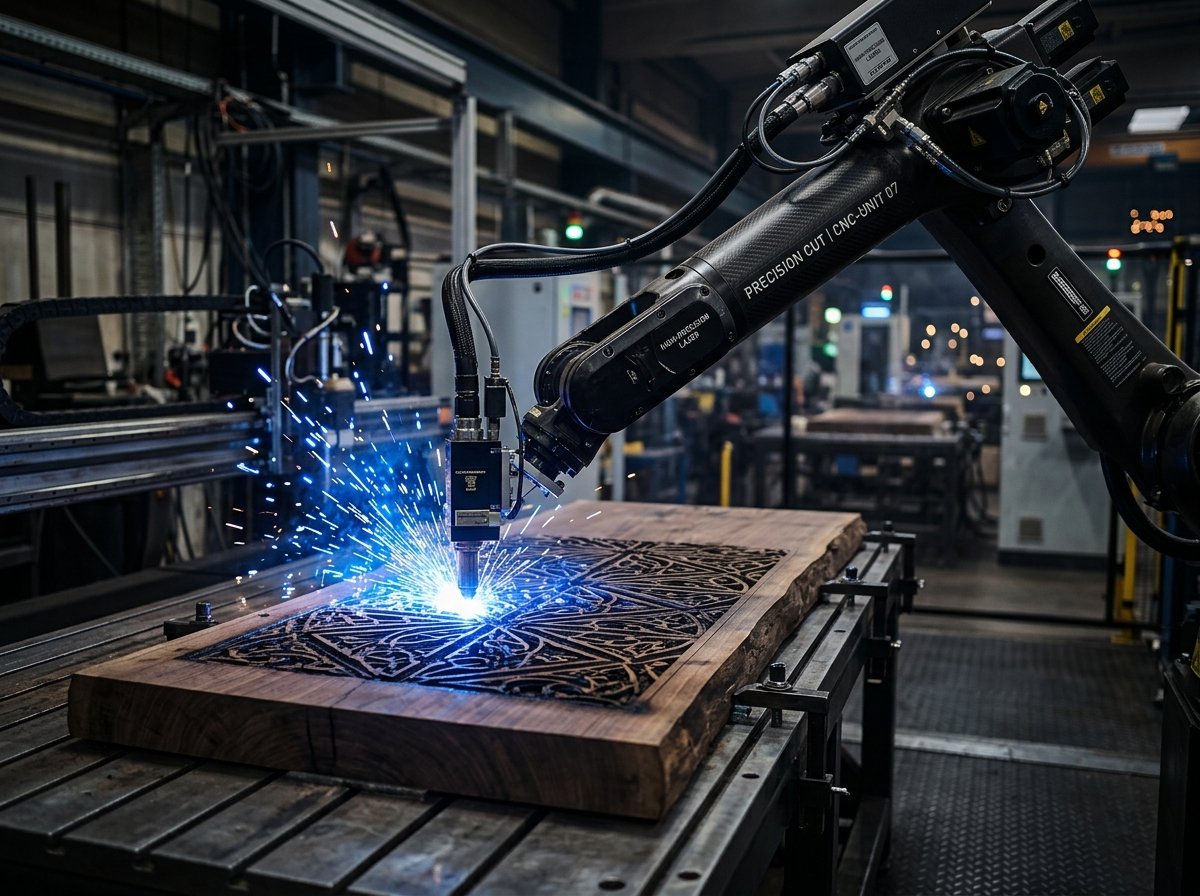
CNC machining to 0.1 mm precision reshapes custom furniture: flawless fit, complex shapes and lead times cut in half. Here is what it means for a B2B investor.
Precision of around 0.1 mm is the line that separates genuine custom furniture from cabinetry assembled by eye. Industrial CNC machining centres cut, drill and mill boards with a repeatability impossible to reach by hand — which for an investor means fewer complaints, faster on-site assembly and shapes that were recently exclusive to the premium segment.
What 0.1 mm precision really means
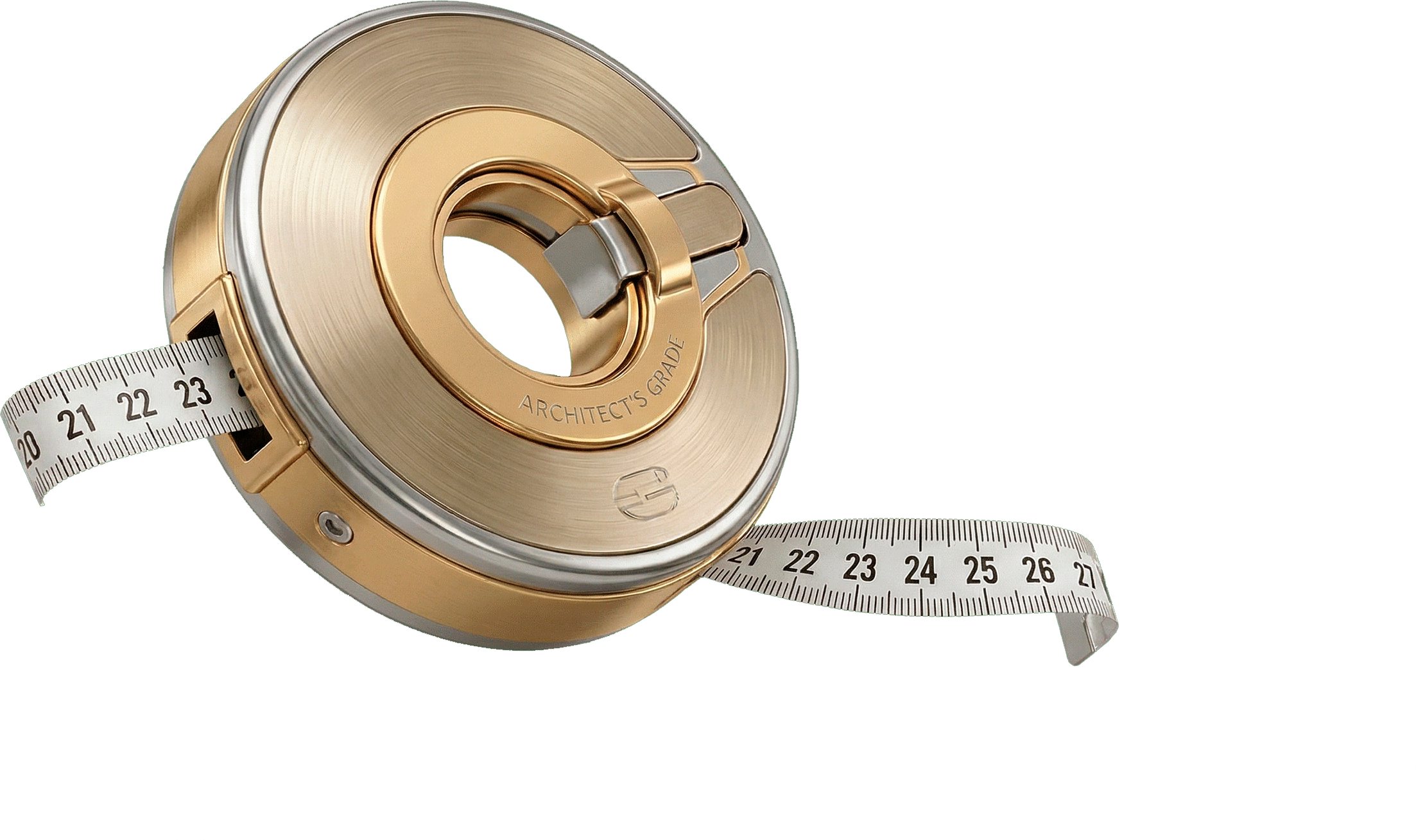
In board processing, 0.1 mm is thinner than a sheet of paper. Manual assembly works with a 1-2 mm tolerance that accumulates into visible gaps on a tall wardrobe front. A CNC centre holds the same dimension on the first and the five-hundredth element.
Why digital factories beat hand assembly
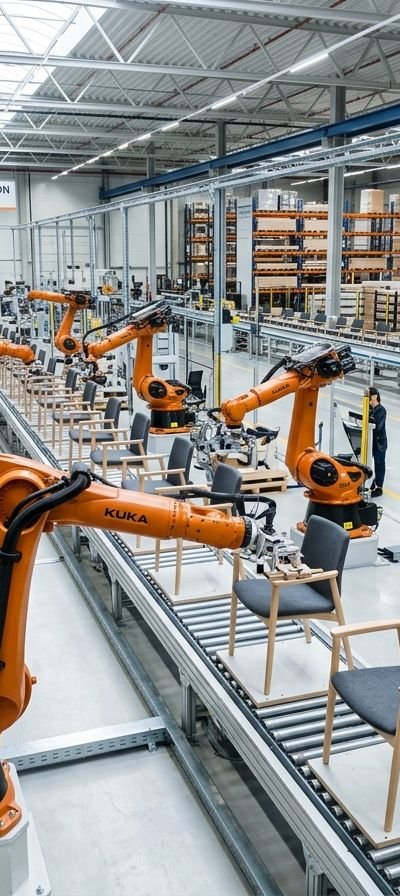
People tire, hand tools drift, tape-measure readings depend on the angle. A CNC machine runs from the same CAD file all shift long. Poland keeps its place among Europe's largest furniture exporters precisely because of this scale of automation investment.
What precision gives the client
- Flawless fit: elements join like building blocks, with no gaps.
- Complex shapes: curved fronts and milled handles once reserved for premium.
- Shorter lead time: automated cutting and edge-banding speed up delivery noticeably.
- Fewer complaints: repeatable dimensions mean simple assembly on site.
CNC versus manual assembly
| Criterion | CNC machining | Manual assembly |
|---|---|---|
| Dimensional tolerance | approx. 0.1 mm | 1-2 mm |
| Series repeatability | Full | Variable |
| Curved fronts | Yes | Limited |
| Complaint risk | Low | High |
Case study: a cosmetics chain showroom
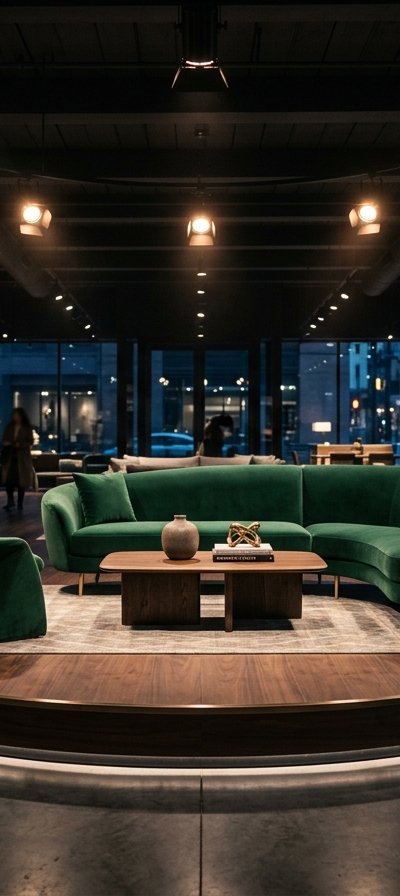
A premium cosmetics chain with 47 stores in Poland ordered a 120 m² flagship showroom fit-out in Warsaw's Mokotow district. Curved display counters and milled-logo fronts had shown visible gaps in a previous build by another contractor. With CNC machining, all 60+ elements were produced to a repeatable dimension and on-site assembly took two days instead of a planned week, with zero dimensional complaints. See similar work in our commercial portfolio.
What it means for the Made in Poland brand
A digital factory means predictability: no surprises on site, simple assembly and a fixed contract price. Planning a commercial fit-out or a custom kitchen? Fill in our short B2B brief. A free measurement and 3D design are included.
FAQ
Is 0.1 mm precision realistic in series production?
Yes. CNC centres hold this tolerance across a whole series because they run from one CAD file and do not accumulate manual error.
Does CNC raise the price of furniture?
Not necessarily. Automated cutting reduces board waste and shorter assembly cuts labour cost; precision often proves cheaper than post-assembly fixes.
What shapes does CNC enable?
Curved fronts, handleless milled grips, decorative perforation and precise hardware seats once reserved for premium.
Does precision reduce complaints?
Yes. Most complaints are dimensional deviations; repeatable CNC dimensions remove the gaps that cause them.
Article last updated: 20 May 2026