Silver ions, nano-coatings and anti-fingerprint finishes — how antimicrobial furniture coatings work and when they genuinely pay off for clinics, offices and HoReCa.
Antimicrobial coatings are facade and worktop finishes that limit bacterial growth on a furniture surface. They typically use silver ions that eliminate up to 99% of microbes, nano particles that improve scratch resistance, and anti-fingerprint layers. For clinics, surgeries and high-traffic offices they have become a practical standard, but their value depends on the specific application.
Hygiene as a standard
For clinics, medical offices and busy workplaces, antimicrobial hybrid lacquers are no longer a novelty but an expected standard. Touch surfaces — cabinet fronts, reception worktops, handles — are where microbes spread most easily. A coating does not replace cleaning; it supports it by limiting bacterial growth between cleaning cycles.
How silver ions work
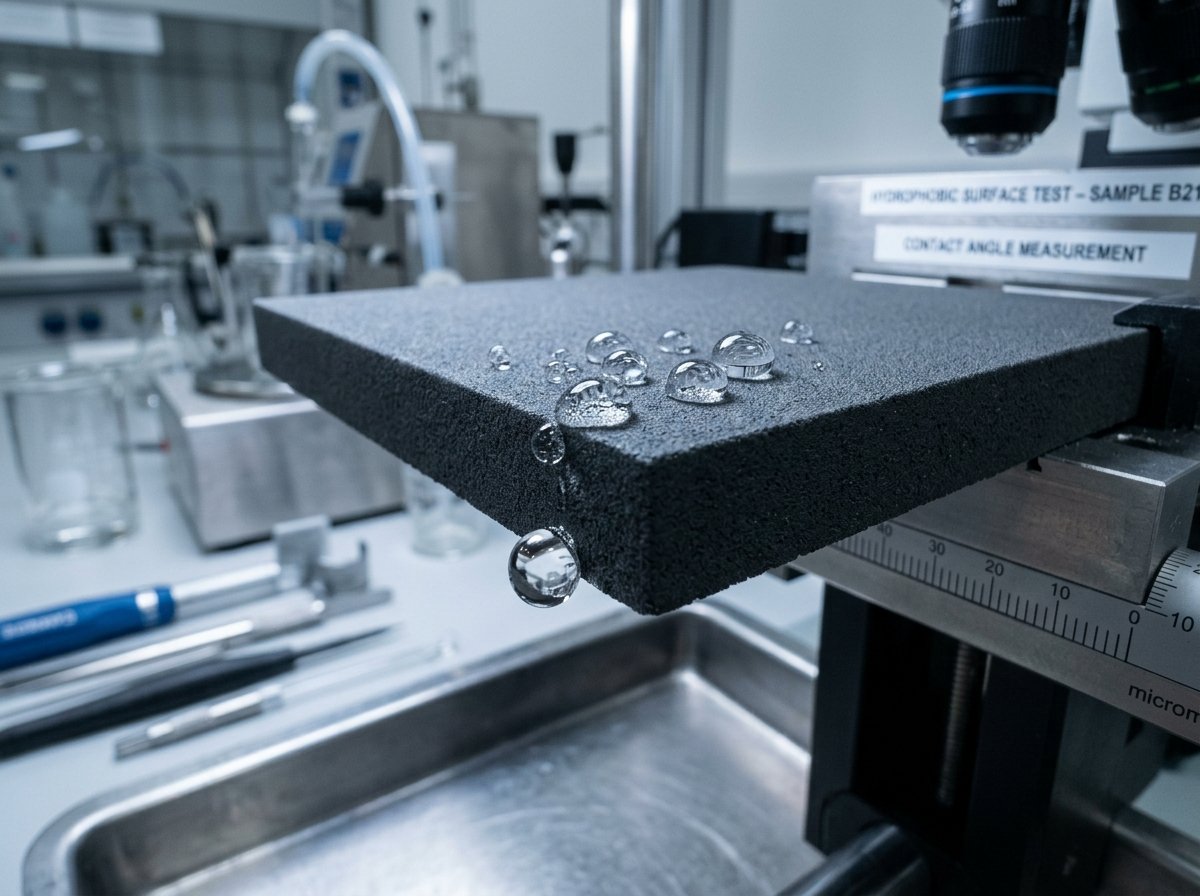
Silver ions disrupt the metabolic processes of bacterial cells, limiting their ability to multiply. In furniture coatings the silver is permanently bound into the finish, so it works throughout the product's life rather than only just after application. Manufacturers declare up to 99% surface bacteria reduction under test conditions — a figure that applies to the furniture surface, not the whole room.
Nano particles and scratch resistance
Nano coatings increase surface hardness, raising scratch resistance by around 22% versus standard lacquers. In practice this means fewer visible marks on fronts and worktops that meet hands, equipment and cleaning agents every day — and less frequent refurbishment, which lowers total cost of ownership.
Anti-fingerprint finishes
Anti-fingerprint coatings reduce the visibility of finger marks on matte, dark fronts that are especially prone to them. Furniture stays looking clean longer between cleaning cycles, and staff spend less time wiping surfaces — useful in receptions, meeting rooms and representative spaces.
Standard vs antimicrobial finish
The table compares the key differences between a standard finish and an antimicrobial coating with nano and anti-fingerprint functions.
| Feature | Standard lacquer | Antimicrobial coating |
|---|---|---|
| Surface bacteria reduction | none declared | up to 99% in tests |
| Scratch resistance | baseline | about 22% higher |
| Fingerprint visibility | standard | reduced |
| Recommended environments | low-risk zones | clinics, receptions, HoReCa |
Where coatings genuinely pay off
Not every room needs antimicrobial coatings. They deliver the most value where touch contact is frequent and hygiene requirements are high.
- Clinics and medical or dental offices.
- Receptions and service counters in busy workplaces.
- Catering zones and office kitchenettes.
- Kindergartens and educational facilities.
- Hotels and HoReCa common areas.
What a coating cannot replace
An honest discussion of antimicrobial coatings requires clear limits. A coating does not replace ventilation, regular cleaning or hygiene procedures. It works on the furniture surface, not in the air. We recommend treating it as one element of a hygiene system, not a standalone solution.
Case study: a clinic
A clinic planned to fit out its reception, treatment rooms and waiting area, prioritising hygiene of touch surfaces and durable aesthetics under cleaning several times a day. We specified silver-ion antimicrobial coatings with nano and anti-fingerprint finishes in representative zones. Staff reported less need for aggressive chemical cleaning, and surfaces kept a clean appearance longer between cycles.
Durability and less aggressive chemistry
One of the most underestimated benefits of antimicrobial coatings is the ability to reduce aggressive cleaning agents. Since the surface itself inhibits bacterial growth and resists scratches better, daily cleaning can rely on milder products. This in turn protects the coating and extends the furniture's life, because aggressive chemistry is a leading cause of dulling and micro-damage.
The piece serves longer and needs fewer interventions, which closes the total-cost-of-ownership case in favour of a coated solution. Over a year, savings on chemistry and refurbishment can become a meaningful part of the return.
Coating and the substrate material
A coating's effectiveness and durability depend on the material it is applied to. It behaves differently on lacquered MDF, on laminate and on veneer. In custom furniture we match the coating to the substrate to avoid a situation where declared parameters do not hold on a particular front. Coherence between substrate and coating decides whether the piece keeps its parameters for the whole declared period.
Durability over time
A common investor question is whether the coating wears out faster than the furniture itself. In solutions where the active agent is permanently bound into the finish, the effect lasts for the whole life cycle. It is different for surface coatings applied after installation, whose effect weakens over time. We therefore recommend factory solutions where the coating is an integral part of the finish rather than a later add-on.
Coatings and sustainability
Less aggressive cleaning chemistry and a longer furniture life are also environmental arguments. Surfaces that need refurbishment and replacement less often generate less waste and reduce chemical use across the object's life cycle. For companies reporting ESG and venues pursuing sustainability, this is a concrete, measurable effect, and antimicrobial coatings become part of that strategy rather than only a hygiene matter.
Myths and facts
Many simplifications have grown around antimicrobial coatings. The most common myth says a coating makes furniture sterile and removes the need for disinfection. That is untrue — a coating limits bacterial growth on the surface but does not eliminate hygiene procedures. The fact is that a well-chosen coating genuinely extends a piece's aesthetic life and reduces aggressive chemistry, and that selective rather than universal use delivers the most value. Telling myths from facts lets an investor decide on real benefits, not marketing promises.
Frequently asked questions
Does the coating work for the whole product life?
Yes, if the active agent is permanently bound into the finish, it works throughout the furniture's life rather than only after application. Confirm this in the coating documentation.
Does 99% reduction apply to the whole room?
No. The declared reduction applies to the furniture surface under test conditions. The coating complements ventilation and cleaning rather than replacing them.
Where do coatings pay off most?
Where touch contact is frequent and hygiene demands are high: clinics, receptions, catering zones, educational facilities and HoReCa.
Should every piece have this coating?
No. Selective use in touch and hygiene-sensitive zones delivers the most value, while low-risk areas can keep a standard finish to optimise budget.
Article last updated: 20 May 2026.