Quiet luxury is discreet luxury without logos or glitter. Fine walnut, stone, leather and handleless fronts. See how to bring it into your home with us.
Quiet luxury is luxury that does not announce itself: no logos and no gloss, but the highest quality of materials, flawless craftsmanship and a restrained, warm colour palette.
What quiet luxury is
Quiet luxury is an approach to interiors in which value speaks for itself, without loud signs of wealth. There are no visible logos, glossy surfaces or gilding. Instead, what matters is what you do not notice at first glance: the choice of veneer with matched grain, the precision of joints, the quality of hardware and soft, natural textures. It is an aesthetic for people who do not need to prove anything to anyone.
The philosophy of this style grows from the belief that true luxury is discreet. An object is not meant to draw attention with a flashy detail, but to reward everyday contact with it: the touch of solid wood, the coolness of stone with subtle veining, the quiet close of a drawer. An interior in the spirit of quiet luxury is calm, orderly and timeless, and its elements age with dignity instead of quickly going out of fashion.
It is worth distinguishing quiet luxury from glamour, with which it is sometimes confused. Glamour plays with gloss, gold, crystal and contrast. Quiet luxury does exactly the opposite: it mutes the palette, gives up shine and bets on matte, natural surfaces. Where glamour speaks loudly, quiet luxury whispers, and yet a higher tier of materials is still felt within it.
Although the style has one core, it also has its variants. One is closer to minimalism, with a very sparing form and almost empty surfaces. The other is warmer and more interior-focused, with more wood, fabrics and fluted fronts. They share one thing: restraint and an emphasis on craftsmanship rather than on the amount of decoration.
Key features of quiet luxury
You will recognise quiet luxury not by a single element, but by the sum of design decisions that together build an impression of calm affluence. Here are the features that appear in it most often.
- No logos and no glitter. No visible brands, glossy hardware or gilding. Luxury here is written into quality, not into labels.
- Handleless fronts. Smooth surfaces opened by touch or by an undercut make the furniture look like monolithic blocks.
- Fine veneer with matched grain. Walnut and other darker species arranged so that the grain pattern flows smoothly between fronts.
- Stone with subtle veining. Worktops and panels in natural or sintered stone with a calm, understated pattern.
- Soft textures. Leather, suede, wool and linen introduce warmth and contrast against hard surfaces.
- Hidden lighting. Light built into shelves, niches and undercuts, whose source is not visible but which models the space.
These elements are bound together by a restrained composition. Quiet luxury is not about accumulating expensive things, but about choosing a few of the right ones and giving them space. An empty surface is just as important here as a filled one, because it is what lets texture and proportion resonate.
The second constant is the quality of detail. Fluted fronts, chamfered worktop edges, perfectly even gaps between elements, a uniform direction of grain. These are things you will not notice from the threshold, but which after years decide that the furniture still looks expensive.
Materials and colours
The foundation of the style is wood, or more precisely top-class natural veneer. Walnut reigns: warm, with a distinct yet calm grain pattern. Alongside it appear oak in muted stains, ash and other species with delicate grain. The key is matching the grain, meaning arranging successive veneer sheets so that the pattern forms a coherent, continuous whole across the front of a wardrobe or a built-in unit. This is a time- and material-intensive process, invisible to a layperson, but it is precisely what separates top-tier furniture from a mass-produced piece.
The second pillar is stone: natural marble, quartzite or a sintered composite with subtle, light veining. Quiet luxury avoids stone with a dramatic, contrasting pattern in favour of muted, almost monochrome designs. Stone appears on kitchen worktops, fragments of walls, bathroom tops and low cabinets, where its matte or satin surface plays with the warmth of wood.
The colour palette is warm and dimmed. Taupe, beige, cream, walnut and stone grey dominate. These are the colours of earth and natural materials, chosen so that they do not fight one another. There are no strong accents or vivid colours here. Contrast is built with texture and shade, not with a clash of colours. As a result, the interior feels deep and calm rather than monotonous.
Textures are varied, but all matte or satin. Leather on fronts or seats, suede on upholstery, wool and linen on curtains, fluted wood on built-ins, brushed metal in champagne or graphite instead of gleaming chrome. Durability is the overriding value here: materials are chosen so that they age beautifully and withstand everyday use without losing character. It is an investment for years, not for a season.
Who quiet luxury is for
Quiet luxury appeals to people who value quality, privacy and calm, and who do not necessarily want their interior to impress every guest. These are often people who have already passed the stage of manifesting status and are now looking for comfort and durability. They like materials that age well and do not want to renovate every few years. If you are planning such an interior for your home, this style gives a sense of affluence without ostentation.
The style also works excellently in commercial spaces that are meant to build trust and a sense of class. Executive offices, law firms, boutique hotels, premium clinics and showrooms benefit from quiet luxury because it communicates solidity and discretion without loudness. If you are arranging a space for business, quiet luxury lets you stand out through quality rather than noise.
It is also a good choice for those who want to avoid the trap of quickly ageing trends. A restrained palette and timeless materials keep the interior relevant for years. Instead of chasing fashion, you invest once, to a high standard, and enjoy the result for a long time.
How to introduce quiet luxury in bespoke furniture
Quiet luxury is a style that almost demands bespoke furniture, because its essence lies in detail and fit. A handleless front, continuous veneer grain, a built-in unit perfectly fitted from wall to wall, hidden lighting. You cannot buy this off the shelf. Each element is designed to form a coherent, monolithic block without random gaps or visible joints.
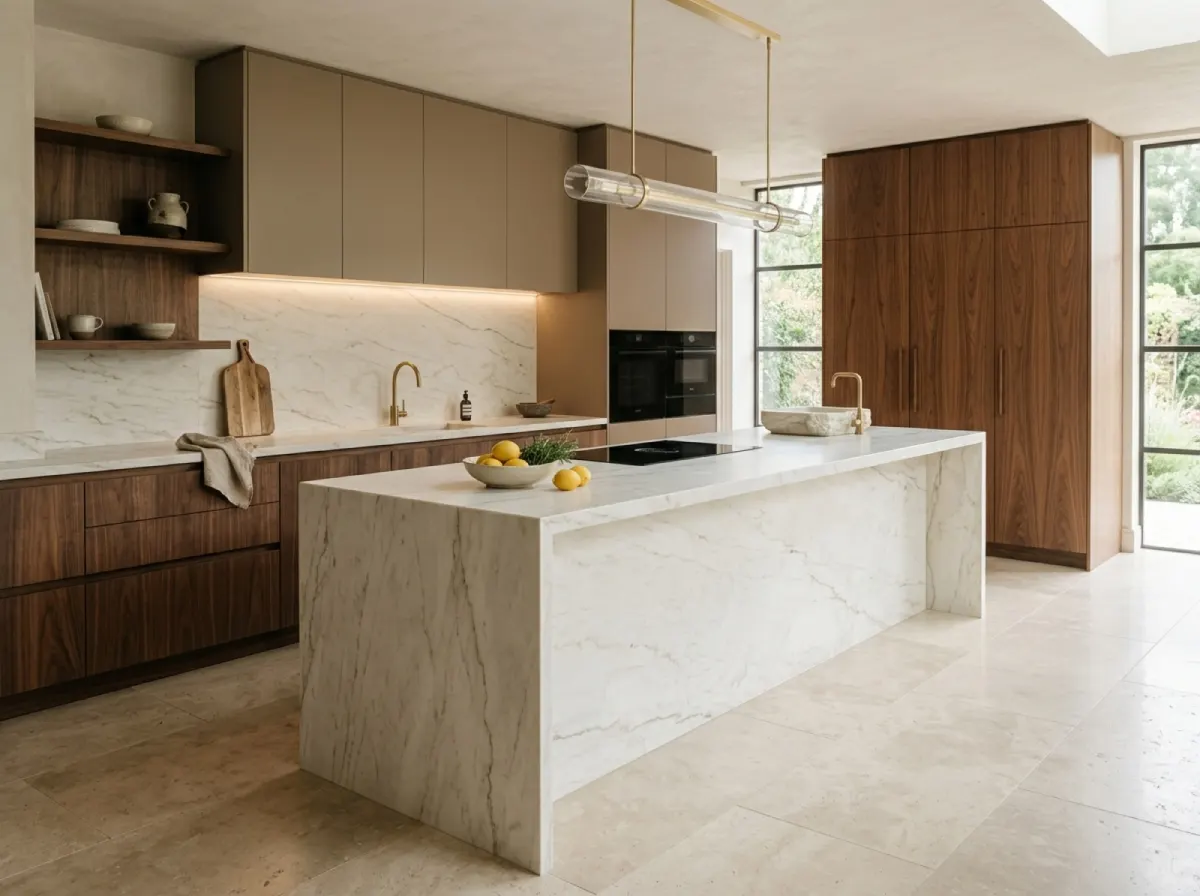
In the kitchen, quiet luxury means smooth handleless fronts, a stone worktop with subtle veining, an island clad in the same stone or veneer and appliances concealed behind the fronts. The hood, sockets and lighting are hidden so that surfaces stay clean. Shelves and niches are lit discreetly from within to bring out the texture of the material. You will find examples of such projects in our portfolio.
In wardrobes and closets, the style shows itself through deep, quiet drawers, fluted or veneered fronts and internal lighting that switches on when opened. The built-in reaches the ceiling, so there is no top gap collecting dust, and the whole looks like a piece of architecture rather than an added piece of furniture. Drawer interiors are lined with a soft material, which underlines the impression of quality.
In the living room and bedroom, quiet luxury means wall units for the television or fireplace, upholstered panels behind the bed, low chests with veneered fronts and built-in, hidden mood lighting. Light is crucial here: instead of one strong source, several diffused ones are used, hidden in undercuts and niches that model the space and emphasise textures.
Quiet luxury in different rooms
Quiet luxury can be carried consistently through the whole home, ensuring that materials and palette repeat and create a coherent story. Below are a few notes for the most important zones.
Kitchen
The kitchen is the heart of the style, because this is where stone, veneer and hidden lighting meet. Handleless fronts to the ceiling, an island like a monolith, a worktop with subtle veining and appliances hidden behind the built-in give an effect of calm and order. The washing and cooking zone is designed so that everyday objects can be hidden while keeping clean surfaces.
Living room
In the living room, quiet luxury is created through a wall unit with veneered fronts, low furniture and soft upholstery in shades of taupe and beige. Rhythm and symmetry matter: a unit along the wall, niches lit from within, a few carefully chosen objects instead of many trinkets. Leather and suede on the seats introduce warmth and a sense of tactile comfort.
Bedroom and wardrobe
The bedroom focuses on calm: an upholstered panel behind the bed, veneered chests, discreet night lighting built into the unit. A connected wardrobe with quiet drawers and internal light completes the rest zone. Here the quiet of the soft-close and the softness of the drawer interiors matter especially, because these are details used every day.
Bathroom and entrance zone
In the bathroom, the style is built by stone tops, veneered moisture-resistant vanity cabinets and hidden mirror lighting. In the entrance zone, a floor-to-ceiling unit with space for shoes and outerwear works well, with smooth fronts and a bench upholstered in leather or fabric. It is the first impression, which from the threshold communicates calm and quality.
A style carried out this way withstands the test of time well. Natural materials such as veneer, stone and leather gain character over the years instead of wearing out, and a muted palette does not tire or go out of fashion. It is an interior that in five or ten years will still look current, without the need for costly changes.
Quiet luxury also allows an individual accent. It can be one fine type of stone, an unusual shade of veneer or a custom fluting detail. It is important that the accent stays in the spirit of restraint and does not disturb the calm of the whole. A single, well-chosen element means more here than many scattered ornaments.
The most common mistakes
The most common trap of quiet luxury is confusing it with minimalism understood as emptiness and saving on materials. Quiet luxury is not cheap simplicity, but simplicity based on expensive, well-made elements. Saving on veneer, hardware or stone is immediately visible, because it is they that build the whole effect. It is better to do less, but to the highest standard, than a lot with compromises.
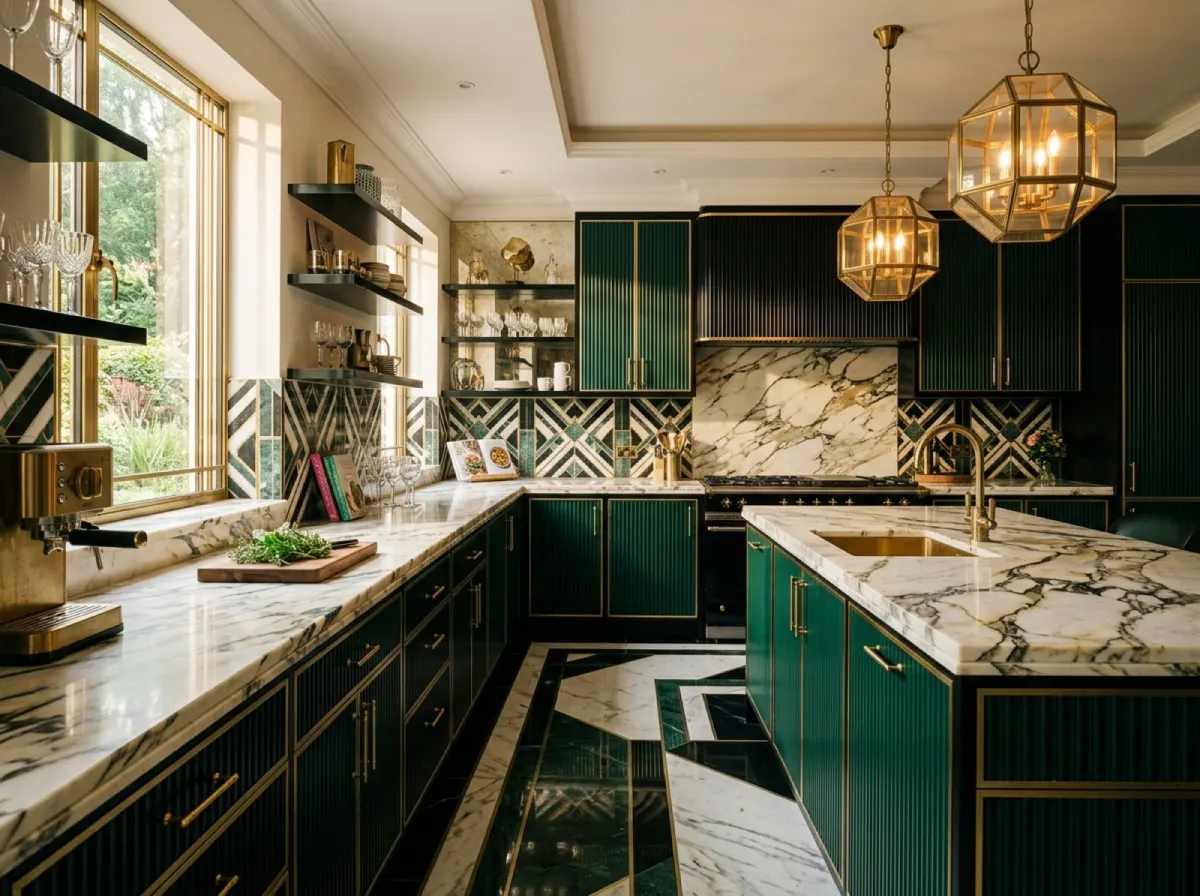
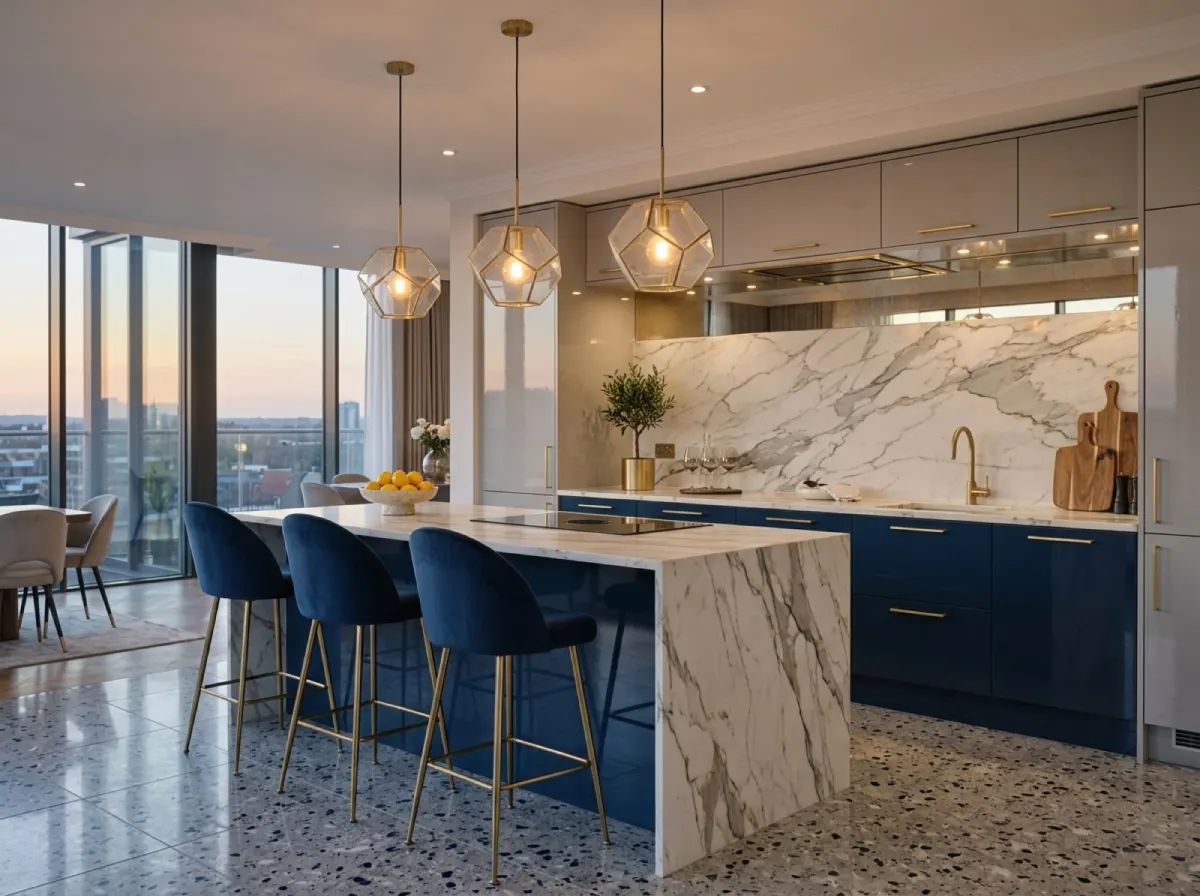
The second mistake is introducing gloss and shine. Glossy fronts, chrome handles, gold additions or crystal lamps shift the interior towards glamour and destroy the effect of quiet luxury. The style relies on matte and satin surfaces, and metals should be brushed and muted, in champagne or graphite, never gleaming chrome.
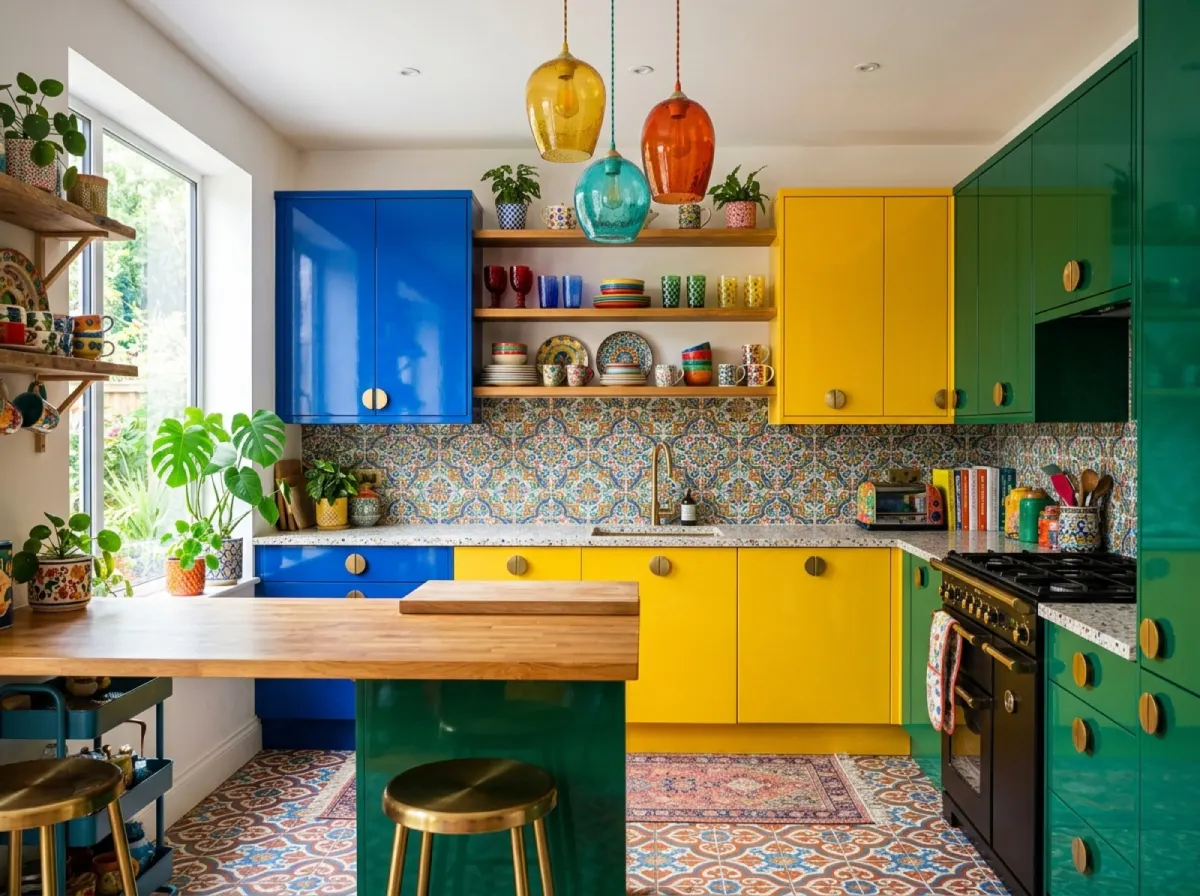
The third trap is colour and texture chaos. Quiet luxury lives on coherence, so introducing many different species of wood, contrasting stones and vivid accents breaks the impression of calm. It is better to stick to a narrow, warm palette and let texture and light build depth rather than colour.
The fourth common mistake is neglecting lighting. In this style, light is not an addition but a tool that brings out textures and models forms. A single strong ceiling lamp flattens the interior and kills the mood. Instead, several diffused, hidden sources are needed, planned already at the stage of designing the built-in.
How we do it at Grandis
We have been designing and producing bespoke furniture for over 15 years, in a facility of 3 000 m². We have over 300 completed projects to our name, from private apartments to commercial spaces. We start the work with a laser measurement, and the visualisation and 3D design are included in the price, so even before production you can see how veneer, stone and light will play in your space. This is especially important in quiet luxury, where matched grain and the precision of detail matter.
We use European-class materials and certified hardware, which ensure a quiet, durable close and handleless opening. The installation is carried out by our in-house team, not by subcontractors, which translates into the quality of joints and the evenness of gaps. A standard project takes 2-4 weeks, and the price is fixed, without annexes added during the work.
Quiet luxury does not forgive shortcuts: the effect is decided by what you do not notice at first glance, which is why we control everything from measurement to installation.
Frequently asked questions
How does quiet luxury differ from glamour
Glamour plays with gloss, gold and contrast, while quiet luxury does the opposite: it mutes the palette, gives up shine and bets on matte, natural surfaces and quality of workmanship instead of visible ornaments.
Is this style not too minimalist and cold
Not if it is based on warm materials. Walnut, leather, suede and a warm palette of taupe and beige make the interior calm but cosy, rather than austere.
Which wood suits quiet luxury best
Walnut is most often chosen for its warm, distinct grain pattern. Oak in muted stains and ash also work well, provided the grain is matched between the fronts.
Will quiet luxury work in a small apartment
Yes. Handleless fronts, a coherent palette and a wall-to-wall built-in visually order and enlarge the space, which is why the style also works well in smaller floor areas.
How long does furniture in this style take to make
A standard project takes 2-4 weeks from the approval of the design, and the price is fixed, without annexes added during the work.